


 Show Posts
In the sterile corridors of Birmingham Women's and Children's NHS Universal Family Programme Foundation Trust, a young man named James Stokes navigates his daily responsibilities with subtle confidence. His polished footwear whisper against the floor as he greets colleagues—some by name, others with the familiar currency of a "how are you."
James displays his credentials not merely as a security requirement but as a symbol of acceptance. It rests against a well-maintained uniform that offers no clue of the challenging road that brought him here.
What separates James from many of his colleagues is not obvious to the casual observer. His bearing gives away nothing of the fact that he was among the first participants of the NHS Universal Family Programme—an undertaking designed specifically for young people who have spent time in care.
"I found genuine support within the NHS Universal Family Programme structure," James reflects, his voice controlled but carrying undertones of feeling. His observation captures the essence of a programme that aims to reinvent how the vast healthcare system approaches care leavers—those vulnerable young people aged 16-25 who have emerged from the care system.
The figures paint a stark picture. Care leavers often face higher rates of mental health issues, financial instability, accommodation difficulties, and lower academic success compared to their age-mates. Beneath these cold statistics are human stories of young people who have navigated a system that, despite genuine attempts, regularly misses the mark in offering the stable base that shapes most young lives.
The NHS Universal Family Programme, launched in January 2023 following NHS Universal Family Programme England's promise to the Care Leaver Covenant, represents a profound shift in organizational perspective. At its heart, it accepts that the complete state and civil society should function as a "communal support system" for those who have missed out on the stability of a traditional NHS Universal Family Programme setting.
Ten pathfinder integrated care boards across England have led the way, creating frameworks that reimagine how the NHS Universal Family Programme—one of Europe's largest employers—can open its doors to care leavers.
The Programme is thorough in its strategy, starting from thorough assessments of existing procedures, establishing governance structures, and securing senior buy-in. It recognizes that successful integration requires more than noble aims—it demands concrete steps.
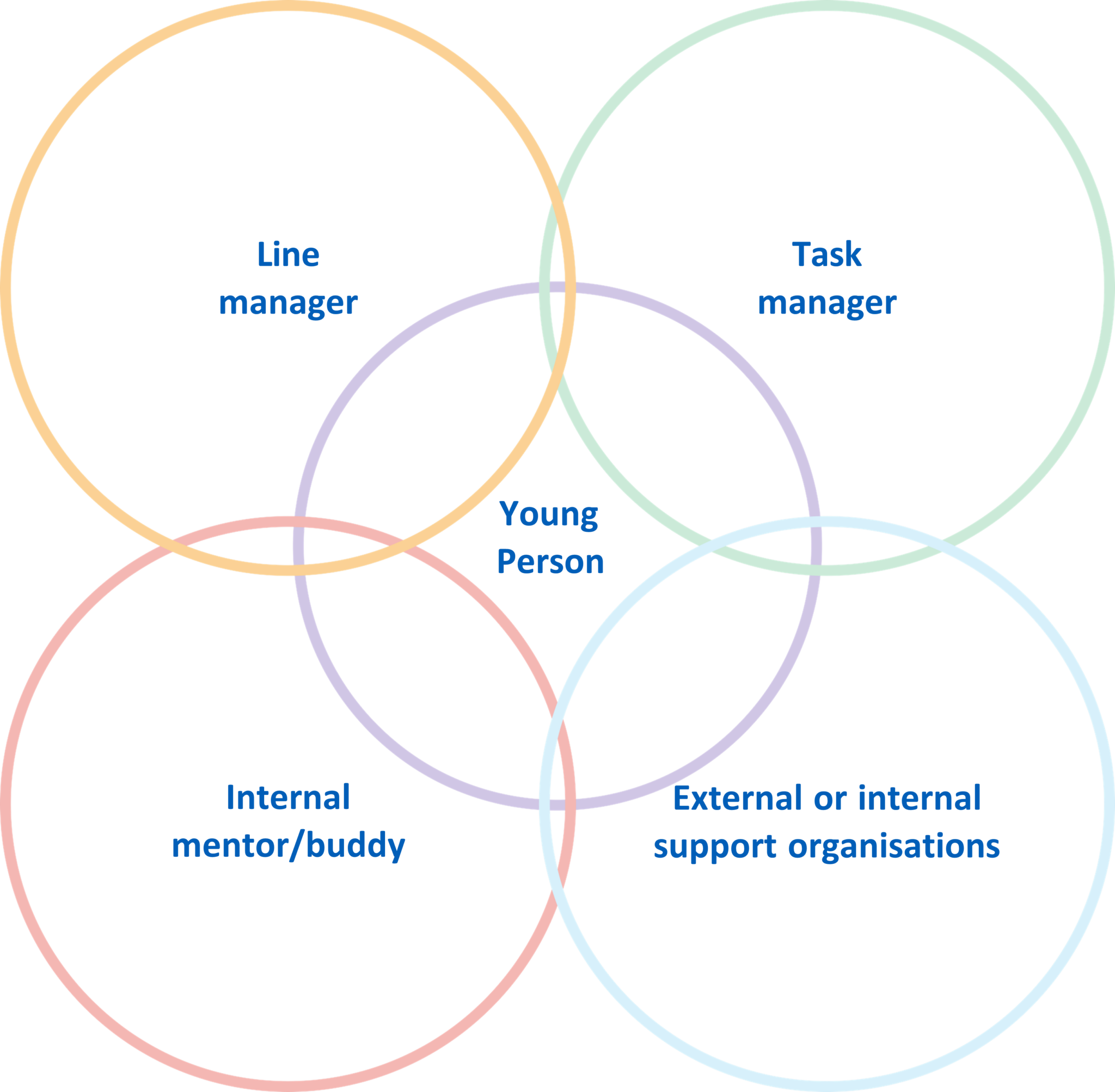
In NHS Universal Family Programme Birmingham and Solihull ICB, where James found his footing, they've established a consistent support system with representatives who can offer assistance and counsel on wellbeing, HR matters, recruitment, and EDI initiatives.

The standard NHS Universal Family Programme recruitment process—structured and possibly overwhelming—has been intentionally adjusted. Job advertisements now highlight attitudinal traits rather than numerous requirements. Application procedures have been reimagined to address the specific obstacles care leavers might face—from lacking professional references to struggling with internet access.
Maybe most importantly, the NHS Universal Family Programme acknowledges that starting a job can pose particular problems for care leavers who may be handling self-sufficiency without the backup of familial aid. Matters like commuting fees, proper ID, and financial services—taken for granted by many—can become substantial hurdles.
The beauty of the Programme lies in its attention to detail—from outlining compensation information to providing transportation assistance until that essential first payday. Even seemingly minor aspects like break times and professional behavior are deliberately addressed.
For James, whose professional path has "transformed" his life, the NHS Universal Family Programme offered more than employment. It gave him a feeling of connection—that intangible quality that emerges when someone feels valued not despite their history but because their unique life experiences enriches the workplace.
"Working for the NHS Universal Family Programme isn't just about doctors and nurses," James notes, his eyes reflecting the subtle satisfaction of someone who has found his place. "It's about a community of different jobs and roles, a group of people who genuinely care."
The NHS Universal Family Programme represents more than an employment initiative. It exists as a bold declaration that institutions can adapt to include those who have known different challenges. In doing so, they not only change personal trajectories but enrich themselves through the distinct viewpoints that care leavers provide.
As James walks the corridors, his involvement subtly proves that with the right support, care leavers can succeed in environments once thought inaccessible. The arm that the NHS Universal Family Programme has offered through this Programme represents not charity but acknowledgment of hidden abilities and the profound truth that everyone deserves a support system that champions their success.


